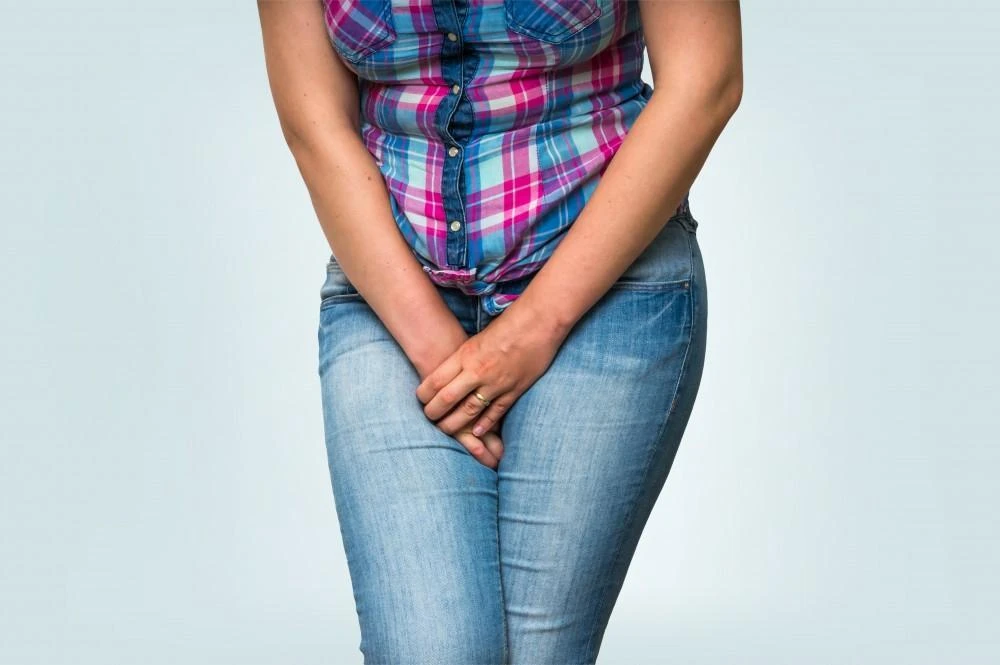
Urinary incontinence is an uncomfortable and potentially embarrassing problem, but there are some things you can do at home that might help.

The Urology Care Foundation, which is the official foundation of the American Urological Association, lists specific signs and symptoms of testosterone deficiency, and among them is obesity or being overweight. Of course, being overweight doesn’t necessarily mean that you have low levels of testosterone, but you certainly have a higher risk than a person who is at a healthier weight.
of Seskin Urology works hard to help you live a full, active, healthy life. If you have low testosterone, or you’re overweight, or both, chances are you’re not living your life as comfortably as you’d like. There may even be things you’d like to do that you can’t because your weight makes it too difficult. Or, you may have other symptoms of low testosterone that interfere with your health and functioning.
Testosterone is often called the “male hormone,” even though women also produce testosterone, because it plays a critical role in things like reproduction and sexual arousal. Also, testosterone is produced in the testes.
Low testosterone is sometimes called hypogonadism.
Do you gain weight and then your testosterone levels drop, or do your testosterone levels drop and you become overweight as a result? According to one group of researchers, it’s generally accepted in the scientific and medical communities that obesity comes first, because weight loss can reverse hypogonadism.
The most common form of hypogonadism among adult men is called dysmetabolic hypogonadotropic hypogonadism or male obesity secondary hypogonadism (MOSH). If you have MOSH, your risk of having a host of other chronic conditions like type 2 diabetes and cardiovascular disease is higher than if you were at a healthier weight.
Fat cells change testosterone to estrogen, the so-called female hormone. Men with a higher body mass also have lower levels of a protein called sex hormone binding globulin (SHBG). SHBG carries testosterone through your blood, so when there’s less of it, less testosterone is circulating.
When you have more estrogen, less testosterone, and you’re overweight, the stage is set for a condition called metabolic syndrome, which may lead to insulin resistance or even type 2 diabetes. You may find it more difficult to lose weight when you have metabolic syndrome.
Hormone replacement therapy can replace your missing testosterone, but it’s not as simple as using a cream or getting an injection. You’ll need to work on some lifestyle changes as well. Exercise is associated with increased testosterone production.
Additionally, it’s important to remember that weight loss can reverse low testosterone. By reaching and maintaining a healthy weight, you may no longer need hormone replacement therapy to garner the benefits of healthy levels of testosterone.
If you’d like to learn more about the relationship between obesity and low testosterone, and to find out if hormone replacement therapy could be the key to improving your overall health, book an appointment at Seskin Urology today.
You Might Also Enjoy...
Urinary incontinence is an uncomfortable and potentially embarrassing problem, but there are some things you can do at home that might help.

Urinary incontinence is incredibly common, especially as people age. However, not all incontinence is the same — there are four distinct types — and it’s not something you just have to learn to live with. Treatments are available.

If you’ve been told, or you suspect, that you have low testosterone, you may be wondering what caused it. This post describes a few of the most common reasons men experience low testosterone levels.

If you’re experiencing urinary symptoms that seem vague, or that come and go, you may have interstitial cystitis. This post describes six of the symptoms that are common with the condition.

You may be wondering if the COVID-19 pandemic affects your urology care. This post includes information about how doctors are deciding what to treat and what to postpone, as well as tips for staying healthy during the outbreak.

Kidney stones are one of the most common urological problems. You’ve probably heard kidney stone horror stories, but it doesn’t have to be that way. Here’s what you need to know.