
Are you worried about prostate cancer? Here’s what you can do now to prevent prostate problems later.
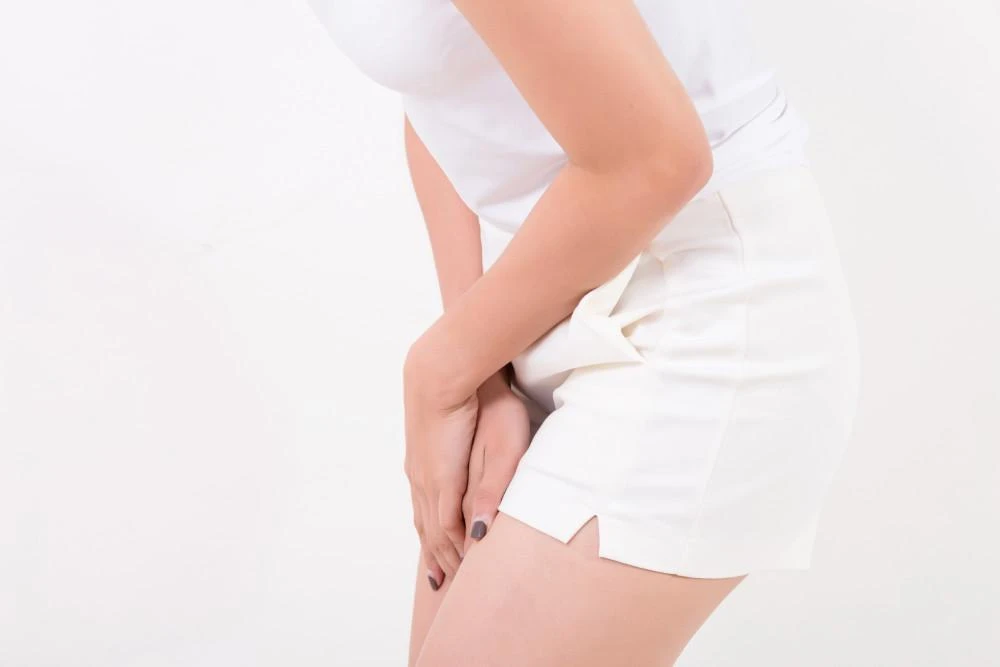
Researchers estimate that over three million women worldwide have been diagnosed with female urinary incontinence and as many as 50% of women don't seek help. The most common type of bladder incontinence by far is stress incontinence, significant leakage that may occur when you sneeze, cough, or laugh, but nearly half of women deal with urge, mixed, and other forms.
For generations, women with bladder incontinence often experienced shame, depression, and isolation and found themselves unable to take part in certain activities if they were too far from a restroom, but today women have many treatment options to explore regardless of what type of urinary incontinence they have. From exercises to surgeries, let's take a look at many of these solutions.
While different female bladder incontinence conditions may call for various personalized solutions, Dr. Seskin typically begins by recommending behavioral modifications and exercises, which may improve the condition. Depending on your type of incontinence, you may find symptom relief through:
Several medications have proven helpful for those with various forms of bladder incontinence. They include:
If behavioral modifications don't give you relief, then Dr. Seskin explores therapy options, which may include:
If less invasive methods prove ineffective, you still have minimally invasive solutions for female urinary incontinence like:
For those who don't respond well to other solutions or are looking for a more drastic and permanent solution, you may consider a surgery such as:
There's no reason to live with uncomfortable and often embarrassing female urinary incontinence. Women today have more solutions than their mothers and grandmothers did. Dr. Seskin offers a robust number of treatment options to customize the treatment plan to help you find relief. Contact Seskin Urology to schedule an appointment.
You Might Also Enjoy...
Are you worried about prostate cancer? Here’s what you can do now to prevent prostate problems later.

Urinary incontinence is an incredibly common problem. Although it’s common, it’s not normal, and you don’t have to live with it. Read on to learn what causes urinary incontinence and what can be done to treat it.

It’s true that testosterone levels gradually decrease with age, but if you’re obese, your odds can more than double. Discover how obesity affects testosterone levels and what you can do about it starting today.

When it comes to sexual health problems like erectile dysfunction, there’s plenty of misinformation that can cloud the issue. Here we get to the bottom of ED and how we can treat it.

The name might sound a little scary, but shockwave therapy is a simple, noninvasive treatment option that can be very effective in relieving the symptoms of ED. Learn how the therapy works and how it could help you.

Kidney stones can be incredibly painful and disruptive. Unfortunately, if you get kidney stones once, you are more likely to deal with them again in the future. For this reason, it is important to be aware of prevention and treatment strategies.